Direct
 Sublease
 coworking
Harlem
Geographic Boundaries
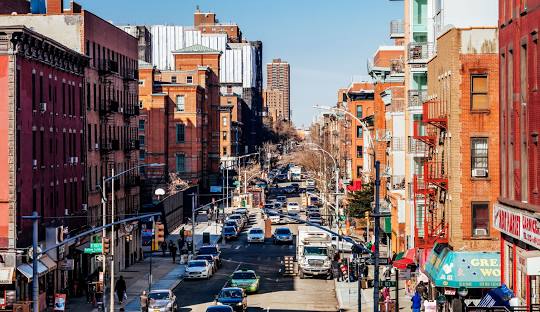
Harlem is a neighborhood in Upper Manhattan, New York City, generally bounded by 155th Street to the north, the Harlem River and East River to the east, Central Park North (110th Street) to the south, and the Hudson River to the west. East Harlem, a sub-neighborhood, extends eastward to the East River and shares boundaries with 96th Street near Central Park's eastern edge. The greater Harlem area includes Hamilton Heights, West Harlem, and Central Harlem, with fluid boundaries often debated by locals and historians.
Businesses and Retail
Harlem's commercial landscape blends historic institutions with modern enterprises. 125th Street serves as the primary retail corridor, hosting national chains like H&M, Old Navy, and Marshalls alongside Black-owned boutiques such as Brother Vellies and Harlem Haberdashery. Marcus Garvey Park's vicinity features specialty stores, including bookshops, art galleries, and African fabric retailers. Fine dining destinations include Sylvia's Restaurant—a soul food landmark since 1962—and Red Rooster Harlem, which offers contemporary American fare. The neighborhood also boasts upscale eateries like Clay and Harlem Shake, catering to diverse culinary tastes.
Historical Attractions
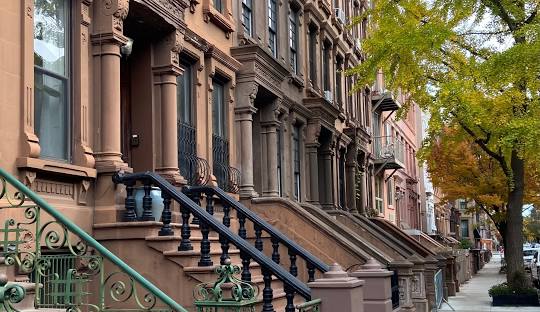
The Apollo Theater, opened in 1914 as a burlesque venue, became a cornerstone of African-American entertainment by hosting legends like Ella Fitzgerald and James Brown during its Amateur Night competitions. Strivers' Row, a collection of Renaissance-inspired townhouses, housed prominent figures like W.E.B. Du Bois and Harry Pace. The Abyssinian Baptist Church, founded in 1808, remains an active spiritual and cultural hub. Schomburg Center for Research in Black Culture, part of the NYPL system, preserves artifacts from the Harlem Renaissance era.
Architectural Landscape
Harlem's building stock includes: (1) brownstones and row houses in Victorian and Neo-Greco styles, particularly in Mount Morris Park Historic District; (2) pre-war apartment buildings with Art Deco detailing; (3) public housing complexes like the General Ulysses S. Grant Houses; and (4) modern mixed-use developments such as Harlem Horizon. Notable structures include the neo-Gothic City College of New York campus and the Adam Clayton Powell Jr. State Office Building's brutalist facade.
Transportation Infrastructure
Eight subway lines serve Harlem: A/B/C/D along Central Park West, 2/3 on Lenox Avenue, and 4/5/6 on Lexington Avenue. Major bus routes include the M60-SBS to LaGuardia Airport and the M7/M102 crosstown lines. Metro-North Railroad's Harlem-125th Street Station provides regional rail access. Citi Bike stations and pedestrian-friendly avenues like Malcolm X Boulevard complement transit options.
Postal Codes and Adjacent Areas
Primary ZIP codes include 10026 (Central Harlem), 10027 (Morningside Heights/West Harlem), 10030 (Hamilton Heights), 10031 (Manhattanville), 10035 (East Harlem), 10037 (Central Harlem south), and 10039 (Washington Heights border). Adjacent neighborhoods are Morningside Heights to the southwest, East Harlem to the northeast, and Washington Heights to the northwest.
Corporate Presence
Major employers include (1) Harlem Hospital Center (public healthcare), (2) Columbia University's Manhattanville campus (education/research), and (3) Mount Sinai's East Harlem health facilities. Tech initiatives like Harlem Biospace support life sciences startups, while the Harlem Commonwealth Council fosters economic development through commercial real estate projects. Media companies including Black Entertainment Television maintain production offices in the area.