Geographic Boundaries of Tribeca, NYC
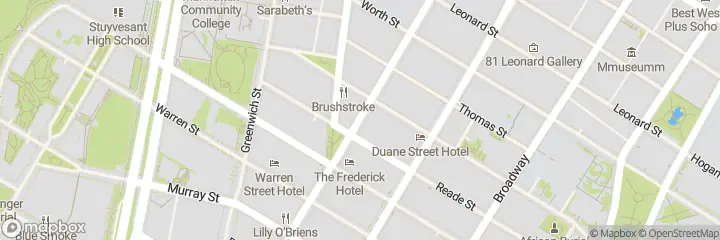
Tribeca, an acronym for "Triangle Below Canal Street," is a distinct neighborhood in Lower Manhattan, New York City. Its geographic boundaries typically include Canal Street to the north, West Street to the west, Broadway to the east, and Vesey Street or Murray Street to the south. This area forms a roughly triangular shape that situates Tribeca strategically near the Hudson River waterfront and adjacent to other iconic neighborhoods such as SoHo, the Financial District, and Battery Park City.
Businesses, Stores, and Retailers in Tribeca
Tribeca boasts a dynamic mix of businesses that reflect its upscale residential atmosphere and commercial vitality. The neighborhood features a range of retail stores, including boutique fashion outlets, artisanal shops, and specialty groceries. Retailers here cater to both everyday needs and luxury tastes, blending local charm with high-end offerings.
In terms of groceries, organic and natural food stores like Whole Foods serve residents looking for quality produce and prepared meals. The retail landscape also includes unique markets and specialty food purveyors, supporting the neighborhood’s reputation as a place for refined living.
Fine Dining and Restaurants in Tribeca
Tribeca is celebrated for its exceptional restaurant scene, known especially for venues suited for business meals and upscale dining experiences. It hosts a rich variety of cuisines ranging from modern American to international fare.
Among the standout establishments is Tribeca Grill, co-owned by Robert De Niro, which offers innovative New American dishes paired with an impressive wine list. Other notable spots include Nobu Downtown, known globally for its Japanese and sushi specialties, and One White Street, a neighborhood restaurant set in a historic Tribeca townhouse, celebrated for its culinary creativity under Chef Austin Johnson.
The dining scene extends to diverse influences, with places like Tamarind serving Indian cuisine and 1803 NYC bringing vibrant New Orleans flavors to the area. These restaurants combine elegant ambiance and professional service, making Tribeca a prime destination for business gatherings and special occasions.
History and Major Attractions in Tribeca
Historically, Tribeca was an industrial and warehouse district, characterized by its robust cast-iron architecture and manufacturing buildings. Over the last few decades, it transformed into one of Manhattan’s most desirable residential neighborhoods, known for its loft conversions and artistic community.
Tribeca’s cobblestone streets and historic buildings reflect its past as a hub for commerce and industry. The neighborhood is also home to the annual Tribeca Film Festival, an internationally renowned event founded in 2002 to revitalize the area after 9/11, now a major cultural attraction drawing celebrities and film enthusiasts worldwide.
Types of Buildings and Architecture
Tribeca is known for its distinctive architectural styles, including cast-iron buildings, large industrial lofts, and converted warehouses that now serve as residential apartments, offices, and creative spaces. The neighborhood’s historic character is preserved by these structures, which often feature large windows, exposed brick, and high ceilings.
Alongside these are contemporary developments that blend modern design with the area's industrial heritage, creating a balanced urban aesthetic. Many buildings serve mixed-use purposes, combining residential units with commercial offices and retail spaces.
Significant Buildings and Hedge Fund Offices
Tribeca has become a notable hub for the finance industry, particularly housing offices of hedge funds and investment firms. These companies are drawn by the neighborhood’s blend of historic charm, prime location, and modern amenities.
Significant commercial buildings in Tribeca cater to financial services and professional firms. The area supports a cluster of hedge fund offices and private equity firms, alongside technology startups and creative industries, contributing to its reputation as a financial and entrepreneurial center within Manhattan.
Transportation Options
Tribeca is highly accessible via multiple transportation modes. It benefits from proximity to several subway lines with stations nearby, including the 1, 2, 3, A, C, E, N, Q, R, and W trains. The area is also close to the World Trade Center Transportation Hub (Oculus), which connects various subway lines with PATH trains to New Jersey, serving as a major transit nexus.
Bus routes and ferry services along the Hudson River complement subway access, offering residents and workers multiple convenient options for commuting throughout New York City and beyond. The neighborhood’s street grid also supports pedestrian and bicycle traffic, enhancing its connectivity.
Adjacent Zip Codes
Tribeca primarily falls within the zip code 10013. Neighboring zip codes include 10007, which covers parts of the Financial District to the south and east; 10014, which includes parts of Greenwich Village and the West Village to the east; and 10006, located further south in the Financial District. These zip codes border Tribeca, framing it amid other prominent Lower Manhattan neighborhoods.
Prominent Companies and Business Types in Tribeca
Tribeca is home to an array of prominent companies, especially those in the financial services sector, including hedge funds, investment firms, and private equity companies. The neighborhood also attracts technology startups, media companies, and creative agencies due to its unique blend of historic charm and modern office environments.
In addition to finance, Tribeca supports professional services such as law firms, architectural studios, and design companies. This diversity in business types creates a vibrant economic ecosystem that complements the neighborhood’s residential and cultural character, making it a premier location for both work and lifestyle in New York City.
 Direct
 Sublease
 coworking