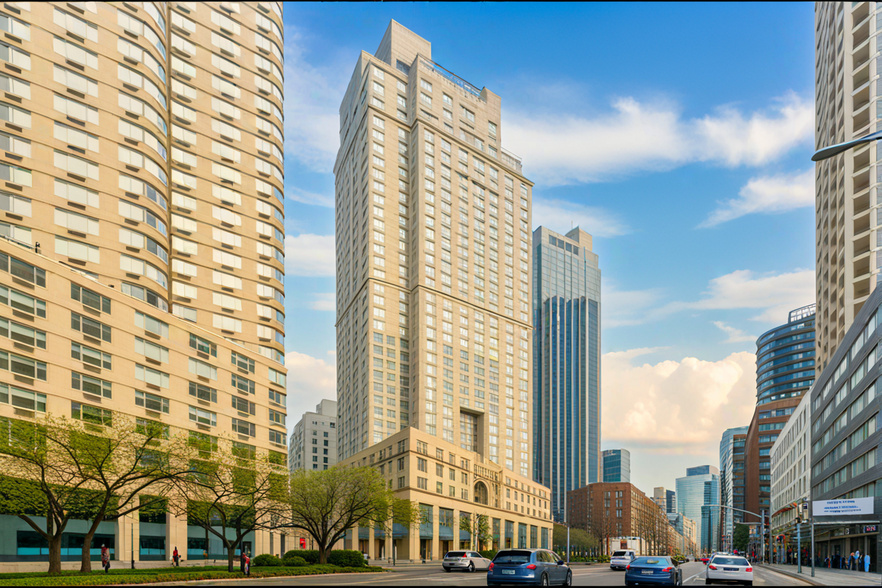
Rent Retail 1870-1880 Broadway
Lease Office - 15 Central Park West
| $ / SF | SF | Monthly Rent |
|---|---|---|
|
Please notify me when a new space is available
|
||
| $ / SF | SF | Monthly Rent |
|---|
| $ / SF | SF | Monthly Rent |
|---|
Rent Sublease Office - 1870-1880 Broadway
| $ / SF | SF | Monthly Rent |
|---|
| $ / SF | SF | Monthly Rent |
|---|
| $ / SF | SF | Monthly Rent |
|---|
Nearby office Spaces for Rent
| Address | $ / SF | SF | Monthly Rent |
|---|---|---|---|
| Avenue of the Americas & West 53rd Street | Negotiable | 16,900 |
Negotiable |
| W 55th St & Eighth Avenue | Negotiable | 7,500 |
Negotiable |
| Seventh Ave & West 52nd Street | Negotiable | 8,500 |
Negotiable |
| 7th Ave & West 56th Street | $ 105 | 9,200 |
$ 80,500 |
| W 55th St & Seventh Avenue | Negotiable | 9,700 |
Negotiable |
| Avenue of the Americas & Between West 51st Street | Negotiable | 75,100 |
Negotiable |
| Avenue of the Americas & West 53rd Street | Negotiable | 40,800 |
Negotiable |
| Avenue of the Americas & West 55th Street | Negotiable | 21,200 |
Negotiable |
| W 57th St & Seventh Avenue | Negotiable | 16,100 |
Negotiable |
| Broadway & West 51st Street | Negotiable | 12,100 |
Negotiable |
| Address | $ / SF | SF | Monthly Rent |
|---|---|---|---|
| Broadway & West 57th Street | Negotiable | 4,500 |
Negotiable |
| W 56th St & Between 6th Avenue | Negotiable | 3,500 |
Negotiable |
| Avenue of the Americas & West 53rd Street | Negotiable | 4,400 |
Negotiable |
| Avenue of the Americas & West 55th Street | Negotiable | 6,900 |
Negotiable |
| W 57th St & Seventh Avenue | Negotiable | 2,600 |
Negotiable |
| Broadway & West 51st Street | Negotiable | 6,800 |
Negotiable |
| W 55th St & Eighth Avenue | Negotiable | 7,000 |
Negotiable |
| Seventh Ave & West 52nd Street | Negotiable | 3,200 |
Negotiable |
| 7th Ave & West 56th Street | Negotiable | 6,600 |
Negotiable |
| Address | $ / SF | SF | Monthly Rent |
|---|---|---|---|
| Broadway & West 57th Street | Negotiable | 2,100 |
Negotiable |
| W 56th St & Between 6th Avenue | Negotiable | 2,500 |
Negotiable |
| W 57th St & Seventh Avenue | Negotiable | 2,000 |
Negotiable |
| Broadway & West 53rd Street | Negotiable | 1,900 |
Negotiable |
| Address | $ / SF | SF | Monthly Rent |
|---|---|---|---|
| W 57th St & Between 10th Avenue | Negotiable | 14,000 |
Negotiable |
| W 57th St & Eleventh Avenue | Negotiable | 7,500 |
Negotiable |
| Broadway & West 57th Street | Negotiable | 11,800 |
Negotiable |
| Columbus Cir & West 58th Street | Negotiable | 18,800 |
Negotiable |
| W 55th St & Ninth Avenue | Negotiable | 25,000 |
Negotiable |
| W 54th St & Eleventh Avenue | Negotiable | 19,000 |
Negotiable |
| Eleventh Ave & East 50th Street | Negotiable | 16,900 |
Negotiable |
| 7th Ave & West 53rd Street | Negotiable | 19,200 |
Negotiable |
| Address | $ / SF | SF | Monthly Rent |
|---|---|---|---|
| Broadway & Between West 62nd Street | Negotiable | 6,100 |
Negotiable |
| W 54th St & Eight Avenue | Negotiable | 3,700 |
Negotiable |
| W 54th St & Eighth Avenue | Negotiable | 3,400 |
Negotiable |
| Eleventh Ave & East 50th Street | Negotiable | 6,600 |
Negotiable |
| Seventh Ave & West 54th Street | Negotiable | 2,900 |
Negotiable |
| Address | $ / SF | SF | Monthly Rent |
|---|---|---|---|
| W 57th St & Seventh Avenue | $ 60 | 2,200 |
$ 11,000 |
| W 57th St & Avenue of Americas | Negotiable | 1,900 |
Negotiable |
| Broadway & Between West 62nd Street | Negotiable | 2,200 |
Negotiable |
| Seventh Ave & West 54th Street | Negotiable | 1,800 |
Negotiable |
| Address | $ / SF | SF | Monthly Rent |
|---|---|---|---|
| W 52nd St & Ninth Avenue | Negotiable | 8,800 |
Negotiable |
| W 60th St & Broadway | Negotiable | 11,900 |
Negotiable |
| W 55th St & Twelfth Street | Negotiable | 20,000 |
Negotiable |
| Address | $ / SF | SF | Monthly Rent |
|---|---|---|---|
| W 52nd St & Ninth Avenue | Negotiable | 3,900 |
Negotiable |
| Broadway & West 53rd Street | $ 39 | 5,800 |
$ 18,850 |
| Address | $ / SF | SF | Monthly Rent |
|---|---|---|---|
| W 52nd St & Ninth Avenue | Negotiable | 1,800 |
Negotiable |
| Broadway & West 53rd Street | Negotiable | 2,400 |
Negotiable |
| W 51st St & Twelfth Avenue | Negotiable | 1,500 |
Negotiable |
Retail Spaces for Rent
Rent Retail - 1870-1880 Broadway
| $ / SF | SF | Monthly Rent |
|---|---|---|
| Negotiable | 3,000 |
Negotiable |
| $ / SF | SF | Monthly Rent |
|---|---|---|
| Negotiable | 2,000 |
Negotiable |
| $ / SF | SF | Monthly Rent |
|---|
| $ / SF | SF | Monthly Rent |
|---|
| $ / SF | SF | Monthly Rent |
|---|
| $ / SF | SF | Monthly Rent |
|---|
Rent Medical Space
| $ / SF | SF | Monthly Rent |
|---|
| $ / SF | SF | Monthly Rent |
|---|
| $ / SF | SF | Monthly Rent |
|---|
| $ / SF | SF | Monthly Rent |
|---|
| $ / SF | SF | Monthly Rent |
|---|
| $ / SF | SF | Monthly Rent |
|---|
Find My Space!

Thank you! we will be in touch.
Lease 1870-1880 Broadway
Rent 1870-1880 Broadway Property Overview
| Building Address: | 1870-1880 Broadway, New York NY 10023 |
| Building Name: | 15 Central Park West |
| Building Alternate Address: | 1870-1880 Broadway |
| Zip Code: | 10023 |
| Neighborhood: | Columbus Circle |
| Borough: | Manhattan |
| Stories: | 3 |
| Year Built: | 2005 |
| Building Class: | A |
| Block & lot: | 01114-7503 |
During the 1870s, significant developments occurred along Broadway in Manhattan. One notable building is the Poland Springs Building at 1180 Broadway, designed by Stephen Decatur Hatch in 1870 for A. G. Newman, a hardware manufacturer. This five-story cast iron structure featured Corinthian capitals on the second floor and was designed to serve the building and real estate trade.
Another influential building from this era is the Equitable Life Building, completed in 1870 at 120 Broadway. It was the world's first office building to feature passenger elevators, attracting many tenants and setting a new standard for office buildings.
Meanwhile, changes in architectural taste during the 1870s favored brick buildings, as seen in structures like the 175 West Broadway Building, constructed in 1877. This building showcased a blend of European-inspired brick design and was built as a rental property for the heirs of Jerome B. King.
Between 1870 and 1880, the area around Broadway in Manhattan, NYC, underwent significant development. Notably, the Equitable Life Building, located at 120 Broadway, was a major landmark. It was the headquarters of the Equitable Life Assurance Society of the United States and featured innovative architectural designs, including passenger elevators and electric lighting.
The building was constructed between 1868 and 1870 and was expanded several times, becoming a prominent structure in the Financial District. Its design influenced other buildings in the area, contributing to the evolution of New York City's urban landscape during this period.
The building at 1870-1880 Broadway, Manhattan, NYC, features several notable amenities:
- Passenger Elevators: One of the first office buildings to include passenger elevators, enhancing accessibility and convenience.
- Electric Lighting: Early adoption of electric lighting provided a modern and efficient lighting system.
- Secure Vault: A state-of-the-art vault with advanced security features, including time locks and heavy doors.
- Expansive Lobby: A large, block-through lobby with shops, a post office, and dining options, creating a vibrant communal space.
1870-1880 Broadway, Manhattan, NYC, does not have specific historical information on office tenants who rented or leased space. However, the area is known for its high-end retail and office spaces, attracting a variety of businesses.
Internet providers available at 1870-1880 Broadway, Manhattan, NYC, include:
- Verizon Fios: Known for high speeds up to 2.3 Gbps and reliable service, with coverage across much of Manhattan.
- Astound Broadband Powered by RCN: Offers both cable and fiber services with speeds up to 1.5 Gbps, though coverage may vary in certain areas like Washington Heights and Inwood.
- Spectrum: Provides cable internet with speeds up to 1 Gbps, available in most areas of Manhattan.
- STARRY: Offers fixed wireless internet with speeds up to 314 Mbps, highly rated for customer satisfaction.
During the 1870s and 1880s, Broadway in Manhattan, NYC, was a hub of transportation innovation. In 1870, Alfred Ely Beach introduced a pneumatic subway under Broadway, between Warren Street and Murray Street, showcasing a smoother alternative to horse-drawn vehicles.
The city's elevated railway network expanded significantly during this period, with lines like the Third Avenue El opening in 1878. These elevated trains transformed urban mobility, facilitating rapid transit and spurring development along their routes.
Key cross streets along Broadway during this era included Warren Street, Murray Street, and City Hall Park, where Beach's pneumatic subway was located. The Brooklyn Bridge, opened in 1883, further enhanced connectivity between Manhattan and Brooklyn, revolutionizing transportation in the city.
By the late 1880s, New York City's transportation infrastructure had become one of the most advanced in the world, with a mix of horse-drawn omnibuses, streetcars, and elevated trains. This period laid the groundwork for the modern subway system that would follow in the early 20th century.
Nearby Office Tenants Leased
Nearby Retail Tenants Leased
- UBS leased 900,000 SF at 1285 Avenue of the Americas
- Linklaters leased 158,000 SF at 1345 Avenue of the Americas
- Blank Rome leased 137,986 SF at 1271 Avenue of the Americas
- Morgan Stanley DW leased 75,440 SF at 1221 Avenue of the Americas
- Bernstein Litowitz Berger & Grossmann leased 51,223 SF at 1251 Avenue of the Americas
- Regent Business Centers leased 45,000 SF at 1325 Avenue of the Americas
- FuboTV leased 10,001 SF at 1330 Avenue of the Americas
- Vince Camuto Shoes leased 5,600 SF at 1370 Avenue of the Americas
- Caroline Stern D.D.S. P.C. leased 3,000 SF at 119-121 W 57th St
- Park Orthodontics leased 1,050 SF at 115 Central Park W
Nearby Retail Tenants Leased
- Century 21 leased 61,000 SF at 1972 Broadway
- Coffee Bean & Tea Leaf leased 1,200 SF at 1700 Broadway
- GNC leased 1,050 SF at 1755 Broadway
Nearby Office Tenants Leased
Nearby Retail Tenants Leased
- UBS leased 900,000 SF at 1285 Avenue of the Americas
- Linklaters leased 158,000 SF at 1345 Avenue of the Americas
- Blank Rome leased 137,986 SF at 1271 Avenue of the Americas
- Morgan Stanley DW leased 75,440 SF at 1221 Avenue of the Americas
- Bernstein Litowitz Berger & Grossmann leased 51,223 SF at 1251 Avenue of the Americas
- Regent Business Centers leased 45,000 SF at 1325 Avenue of the Americas
- FuboTV leased 10,001 SF at 1330 Avenue of the Americas
- Vince Camuto Shoes leased 5,600 SF at 1370 Avenue of the Americas
- Caroline Stern D.D.S. P.C. leased 3,000 SF at 119-121 W 57th St
- Park Orthodontics leased 1,050 SF at 115 Central Park W
Nearby Retail Tenants Leased
- Century 21 leased 61,000 SF at 1972 Broadway
- Coffee Bean & Tea Leaf leased 1,200 SF at 1700 Broadway
- GNC leased 1,050 SF at 1755 Broadway
Clemente Capital Testimonial

We love a challenge!
Optimal Spaces can help you turn critical and complex real estate issues into opportunities for growth and or cost reduction. We offer the experience, know-how, and the strategic planning that helps lead to better decisions. Virtually everything you need to enhance the value of your business (for profit and not for profit) , you will find at Optimal Spaces.About Optimal Spaces
Optimal Spaces are Tenant Brokers, only representing commercial tenants, not owners or landlords. By contrast, managing agents and most commercial brokers are "landlord agents" representing the interest of owners. Their goal is to market and lease their clients' properties with the best possible terms for the owners. Thus, they will neither show you as broad a selection nor push to get the best price, since their loyalty is to the Landlord. An Optimal Spaces agent will show you a broader range of properties and offer you a broader range of important services than a managing agent or commercial broker will. We will provide you with a market survey, floor plans, pricing expectations , and access to our rolodex: Optimal Spaces walks you through the process from start to finish. Upon entering your new space, it will look the way you want, all at the price you agreed to spend. In addition to negotiating the best price, we will reveal and abate many "hidden costs" to you. We will show you all the relevant available spaces and safeguard your interests throughout the process. Because of tour costs to provide these services, we ask in exchange that clients sign an Exclusive Brokerage Agreement. This allows us to plan appropriately for assisting you with every step of the process.