Upper East Side, NYC: A Comprehensive Guide
Geographic Boundaries
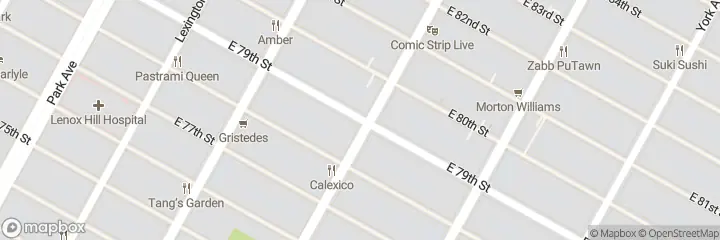
The Upper East Side (UES) is a prestigious neighborhood in Manhattan, bounded by 59th Street to the south, 96th Street to the north, the East River to the east, and Central Park and Fifth Avenue to the west. Although these boundaries are not officially defined, they are widely recognized by residents and visitors alike. The area includes several notable sub-neighborhoods, such as Lenox Hill, Carnegie Hill, and Yorkville, each with its unique character and attractions.
Description of Businesses, Stores, and Fine Restaurants
The Upper East Side is renowned for its upscale shopping and dining scene. It is home to numerous high-end boutiques, designer stores, and art galleries along Madison Avenue and Fifth Avenue. The neighborhood's culinary landscape is equally impressive, with a variety of fine dining establishments, charming cafes, and casual eateries. Restaurants range from traditional American cuisine to international flavors, catering to diverse tastes and preferences.
Some of the notable department stores and luxury retailers include Saks Fifth Avenue, Bergdorf Goodman, and Neiman Marcus. The area is also famous for its world-class museums, which include the Metropolitan Museum of Art, the Guggenheim Museum, and the Frick Collection. These institutions not only attract art enthusiasts but also contribute to the area's cultural and economic vitality.
History of Major Attractions in NYC
The Upper East Side is steeped in history, with many of its major attractions dating back to the early 20th century. The Metropolitan Museum of Art, for example, was founded in 1870 and has since become one of the world's largest and most renowned museums. The Guggenheim Museum, established in 1937, is celebrated for its unique architectural design and innovative exhibitions.
The Frick Collection, located in the former mansion of Henry Clay Frick, is a testament to the neighborhood's rich history and cultural heritage. The Museum of Modern Art (MoMA), although not located directly on the Upper East Side, is nearby and complements the area's vibrant art scene.
Types of Buildings
The Upper East Side boasts a diverse architectural landscape, featuring a mix of elegant pre-war buildings and modern high-rises. The neighborhood is characterized by its iconic townhouses, upscale apartment buildings, and exclusive condominiums, many of which are located along Park Avenue. The area's real estate is highly sought after due to its proximity to Central Park and the East River, offering residents stunning views and a serene environment.
Other Significant Buildings: Hedge Fund Offices
The Upper East Side is not only a residential haven but also hosts several prominent businesses, including hedge fund offices. Although the area is not as densely populated with corporate offices as other parts of Manhattan, it is home to a few notable financial institutions. The area's upscale environment and proximity to major financial centers make it an attractive location for businesses seeking a prestigious address.
Transportation Options
The Upper East Side offers convenient transportation options, making it easily accessible from other parts of the city. The 4, 5, and 6 trains run along Lexington Avenue, while the Q train operates along Second Avenue up to 96th Street. These subway lines provide residents with quick access to Downtown and Lower Manhattan. Additionally, several bus routes connect the neighborhood to surrounding areas, including the Upper West Side and Queens.
Adjacent Zip Codes
The Upper East Side is surrounded by several zip codes, including 10021, 10022, 10028, 10029, 10065, 10075, and 10128. These zip codes cover a broad area, including parts of Midtown and other nearby neighborhoods.
Prominent Companies and Offices
The Upper East Side is home to various prominent companies, although it is more residential than commercial. However, several companies have offices in the area due to its prestige and proximity to major business hubs. These businesses span a range of industries, from finance to media. The area's reputation for luxury and sophistication makes it an attractive location for high-end service providers and boutique firms.
While the Upper East Side is primarily residential, it hosts a few notable hedge fund offices and financial institutions. The area's upscale environment and proximity to major financial centers make it an attractive location for businesses seeking a prestigious address. Additionally, the neighborhood is home to numerous private schools and cultural institutions, contributing to its vibrant community.
Overall, the Upper East Side offers a unique blend of luxury, culture, and natural beauty, making it one of the most desirable neighborhoods in New York City.
 Direct
 Sublease
 coworking