 Direct
 Sublease
 coworking
Why Optimal Spaces –
|
|
|
Why Use a Tenant Broker: Your Advocate in Commercial Real Estate
1. The Crucial Distinction: Whose Side Are They On?
  2. It Almost Always Costs You Nothing
3. Access to “Hidden” Inventory
4. Negotiating Beyond Base Rent
   5. Time Savings & Process Management
6. Mitigating Risk (the “Gotchas”)
  |
Uptown
Geographic Boundaries
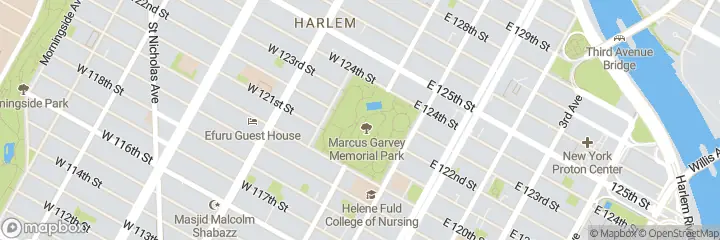
Uptown NYC broadly refers to neighborhoods north of 59th Street, with Upper Manhattan (the northernmost section) variably bounded by 96th Street, 110th Street (northern edge of Central Park), 125th Street, or 155th Street. Key neighborhoods include Harlem, East Harlem, Morningside Heights, Washington Heights, and Inwood. The area stretches between the Hudson and Harlem Rivers, extending into a geographic panhandle toward Marble Hill near the Bronx.
Businesses, Stores, Retailers, and Fine Restaurants
Uptown’s commercial corridors blend cultural authenticity with modern entrepreneurship. Harlem features iconic eateries like Sylvia’s Restaurant on Malcolm X Boulevard, known for soul food, while East Harlem offers Latino-owned bakeries and taquerías. Morningside Heights hosts Columbia University-adjacent bookstores and cafés, while Washington Heights boasts Dominican-owned salons, bodegas, and family-run stores along St. Nicholas Avenue. Upscale dining destinations include Harlem’s Red Rooster and Corner Social, alongside historic jazz lounges like Minton’s Playhouse.
History of Major Attractions
Harlem emerged as a cultural epicenter during the 1920s Harlem Renaissance, home to landmarks like the Apollo Theater and National Jazz Museum. Washington Heights retains the Morris-Jumel Mansion (1765), Manhattan’s oldest surviving residence. The Cloisters in Fort Tryon Park houses medieval European art, while Grant’s Tomb overlooks Riverside Drive. Riverside Church, with its 392-foot tower, became a Civil Rights Movement hub under MLK Jr.’s leadership.
Types of Buildings
Uptown’s architecture spans 19th-century row houses, prewar apartment buildings, and modernist high-rises. Hamilton Heights showcases Sugar Hill’s ornate brownstones, while Inwood retains Art Deco apartment complexes. Academic Gothic structures like those near Columbia University contrast with Washington Heights’ mid-century hospitals, including NewYork-Presbyterian’s Allen Pavilion. Affordable housing projects and renovated tenements coexist with luxury condos along Harlem’s Frederick Douglass Boulevard.
Other Significant Buildings
The United Palace, a 1930s movie palace turned performance venue, dominates 175th Street’s skyline. Dyckman House (1784), Manhattan’s last Dutch colonial farmhouse, sits atop Inwood Hill Park. Manhattanville’s former industrial warehouses now house Columbia University’s satellite campuses, while the Harlem Hospital Center murals celebrate African-American medical pioneers.
Transportation Options
Uptown relies on subway lines A/B/C/D/1/2/3 along Eighth Avenue and Broadway, with express trains serving 125th Street stations. MTA buses (M3, M4, M101) connect east-west routes, while Metro-North’s Harlem Line stops at 125th Street. The George Washington Bridge links Washington Heights to New Jersey via I-95, and Citi Bike stations dot major commercial corridors.
Adjacent Zip Codes
Primary Uptown zip codes include 10026 (Central Harlem), 10027 (Morningside Heights), 10031 (Hamilton Heights), 10032 (Washington Heights), 10034 (Inwood), and 10035 (East Harlem). These border Bronx zip codes 10453 and 10463 near Marble Hill, as well as Upper West Side codes 10024/10025 along 110th Street.
Prominent Companies and Business Types
Columbia University and its medical center anchor Morningside Heights’ education/research sector. NewYork-Presbyterian Hospital operates multiple facilities, while Harlem’s economic revival attracts tech startups like BentoBox and co-working spaces. Cultural institutions like the Apollo Theater Foundation and Hispanic Society of America drive nonprofit employment, while Harlem Brewing Company and other local manufacturers support small-batch production.


