Expert Tenant Broker "No Fee"
We represent you, not the landlord
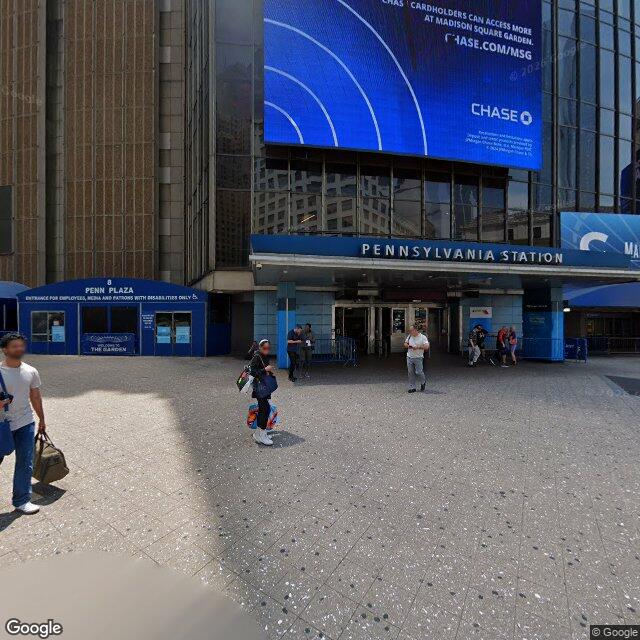
Rent/Lease Retail PENN STATION
Nearby Sublease office Spaces for Rent
| Address | $ / SF | SF | Monthly Rent |
|---|---|---|---|
| Broadway & West 36th Street | $ 48 | 11,700 |
$ 46,800 |
| Penn Plaza & West 33rd Street | $ 42 | 29,000 |
$ 100,291 |
| Bryant Park & 6th Avenue | $ 60 | 14,000 |
$ 70,000 |
| Address | $ / SF | SF | Monthly Rent |
|---|---|---|---|
| Broadway & West 36th Street | $ 56 | 3,200 |
$ 14,800 |
| Broadway & West 41st Street | $ 56 | 4,700 |
$ 22,129 |
| Fifth Ave & West 33rd Street | $ 71 | 4,300 |
$ 25,441 |
| Address | $ / SF | SF | Monthly Rent |
|---|---|---|---|
| Broadway & West 41st Street | $ 55 | 2,200 |
$ 10,083 |
| Address | $ / SF | SF | Monthly Rent |
|---|---|---|---|
| W 37th St & 6th Avenue | $ 34 | 11,400 |
$ 31,825 |
| W 37th St & Avenue of America | $ 34 | 10,200 |
$ 29,325 |
| Broadway & West 37th Street | $ 42 | 11,100 |
$ 38,850 |
| Seventh Ave & West 38th Street | $ 38 | 7,700 |
$ 24,383 |
| W 40th St & Between West 39th Street | $ 38 | 15,100 |
$ 47,816 |
| Eighth Ave & West 34th Street | $ 54 | 8,900 |
$ 40,050 |
| Address | $ / SF | SF | Monthly Rent |
|---|---|---|---|
| Seventh Ave & West 38th Street | $ 48 | 4,200 |
$ 16,975 |
| W 37th St & 6th Avenue | $ 35 | 3,500 |
$ 10,208 |
| W 40th St & Eighth Avenue | $ 42 | 2,600 |
$ 8,991 |
| Broadway & West 37th Street | $ 41 | 6,100 |
$ 20,841 |
| Address | $ / SF | SF | Monthly Rent |
|---|---|---|---|
| Seventh Ave & West 38th Street | $ 47 | 2,100 |
$ 8,225 |
| Tenth Ave & West 37th Street | $ 46 | 2,200 |
$ 8,525 |
| Penn Plaza & Eighth Avenue | $ 40 | 1,800 |
$ 6,000 |
| Fifth Ave & East 35th Street | $ 40 | 2,100 |
$ 7,000 |
| W 36th St & Between 8th Avenue | $ 38 | 2,400 |
$ 7,600 |
| Address | $ / SF | SF | Monthly Rent |
|---|---|---|---|
| W 35th St & Between West 35th Street | $ 33 | 7,500 |
$ 20,625 |
| W 37th St & Seventh Avenue | $ 30 | 7,300 |
$ 18,250 |
| W 30th St & Between West 30th Street | $ 30 | 7,100 |
$ 17,750 |
| W 36th St & Eight Avenue | $ 33 | 7,800 |
$ 21,450 |
| Address | $ / SF | SF | Monthly Rent |
|---|---|---|---|
| Penn Plaza & West 30th Street | $ 48 | 2,500 |
$ 10,000 |
| W 38th St & Eighth Avenue | $ 35 | 4,400 |
$ 12,833 |
| W 35th St & Between West 35th Street | $ 36 | 5,300 |
$ 15,679 |
| W 37th St & Seventh Avenue | $ 30 | 6,800 |
$ 17,000 |
| W 36th St & Eighth Avenue | $ 50 | 3,700 |
$ 15,570 |
| W 37th St & Ninth Avenue | $ 40 | 4,500 |
$ 15,000 |
| W 37th St & Eight Avenue | $ 40 | 3,400 |
$ 11,333 |
| W 36th St & Avenue of the Americas | $ 45 | 3,400 |
$ 12,750 |
| W 30th St & Between West 30th Street | $ 33 | 5,000 |
$ 13,750 |
| Broadway & West 32nd Street | $ 46 | 3,500 |
$ 13,498 |
| Address | $ / SF | SF | Monthly Rent |
|---|---|---|---|
| Penn Plaza & West 30th Street | $ 47 | 2,000 |
$ 7,833 |
| W 36th St & Eighth Avenue | $ 49 | 2,400 |
$ 9,800 |
| W 37th St & Eight Avenue | $ 45 | 1,800 |
$ 6,750 |
| Type of Space | Class A/month | Class B/month | Class C/month |
|---|---|---|---|
| Windowed office/person | |||
| Interior office/person | |||
| Team Rooms | |||
| Suites |
Nearby office Spaces for Rent
| Address | $ / SF | SF | Monthly Rent |
|---|---|---|---|
| Broadway & West 41st Street | $ 70 | 13,200 |
$ 77,550 |
| Fifth Ave & West 38th Street | $ 56 | 17,600 |
$ 82,866 |
| Broadway & West 39th Street | $ 59 | 10,900 |
$ 53,591 |
| 1 Plz & West 33rd Street | $ 105 | 19,100 |
$ 167,125 |
| W 40th St & Avenue of Americas | $ 74 | 8,500 |
$ 52,770 |
| Address | $ / SF | SF | Monthly Rent |
|---|---|---|---|
| Broadway & West 37th Street | $ 68 | 5,500 |
$ 30,937 |
| W 38th St & Avenue of the Americas | $ 56 | 3,500 |
$ 16,333 |
| Broadway & West 41st Street | $ 66 | 6,800 |
$ 37,116 |
| Broadway & West 36th Street | $ 66 | 4,600 |
$ 25,108 |
| 2 & West 31st Street | $ 140 | 5,300 |
$ 62,054 |
| Fifth Ave & West 38th Street | $ 61 | 3,800 |
$ 19,316 |
| 1 Plz & West 33rd Street | $ 105 | 3,200 |
$ 28,000 |
| Address | $ / SF | SF | Monthly Rent |
|---|---|---|---|
| Broadway & West 37th Street | $ 68 | 2,300 |
$ 12,937 |
| 1 Plz & West 33rd Street | $ 98 | 2,400 |
$ 19,600 |
| Address | $ / SF | SF | Monthly Rent |
|---|---|---|---|
| Eighth Ave & West 36th Street | $ 40 | 7,500 |
$ 25,312 |
| W 39th St & Eighth Avenue | $ 40 | 7,700 |
$ 25,666 |
| W 33rd St & Fifth Avenue | $ 40 | 7,100 |
$ 23,962 |
| Eighth Ave & West 35th Street | $ 39 | 7,100 |
$ 23,075 |
| Eighth Ave & W 35th Street | $ 40 | 8,000 |
$ 26,666 |
| W 37th St & Avenue of America | $ 46 | 8,600 |
$ 33,325 |
| Tenth Ave & West 37th Street | $ 50 | 7,900 |
$ 32,587 |
| W 36th St & 6th Avenue | $ 46 | 9,600 |
$ 37,200 |
| Broadway & West 38th Street | $ 54 | 9,500 |
$ 42,750 |
| Seventh Ave & West 37th Street | $ 56 | 10,300 |
$ 48,066 |
| Address | $ / SF | SF | Monthly Rent |
|---|---|---|---|
| Seventh Ave & West 38th Street | $ 52 | 3,100 |
$ 13,433 |
| W 35th St & Avenue of America | $ 29 | 4,400 |
$ 10,633 |
| Eighth Ave & West 36th Street | $ 36 | 4,700 |
$ 14,100 |
| Address | $ / SF | SF | Monthly Rent |
|---|---|---|---|
| Eighth Ave & West 36th Street | $ 42 | 2,200 |
$ 7,700 |
| W 39th St & Ninth Avenue | $ 39 | 1,800 |
$ 5,850 |
| W 38th St & Between West 37th Street | $ 35 | 2,200 |
$ 6,416 |
| Eighth Ave & West 35th Street | $ 35 | 1,700 |
$ 4,958 |
| Tenth Ave & West 37th Street | $ 44 | 2,200 |
$ 8,066 |
| W 40th St & Eighth Avenue | $ 48 | 1,900 |
$ 7,520 |
| Broadway & West 38th Street | $ 52 | 1,900 |
$ 8,233 |
| 7th Ave & Between 7th Avenue | $ 57 | 1,600 |
$ 7,600 |
| Avenue of the Americas & West 39th Street | $ 61 | 2,300 |
$ 11,691 |
| Avenue of the Americas & West 31st Street | $ 79 | 2,400 |
$ 15,800 |
| Address | $ / SF | SF | Monthly Rent |
|---|---|---|---|
| W 35th St & Seventh Avenue | $ 40 | 8,800 |
$ 29,700 |
| W 39th St & Eighth Avenue | $ 36 | 9,200 |
$ 27,600 |
| Eighth Ave & West 36th Street | $ 42 | 16,000 |
$ 56,000 |
| W 35th St & Seventh Avenue | $ 35 | 7,600 |
$ 22,166 |
| W 35th St & Between West 35th Street | $ 34 | 7,300 |
$ 20,683 |
| Eighth Ave & West 39th Street | $ 41 | 11,400 |
$ 38,950 |
| Address | $ / SF | SF | Monthly Rent |
|---|---|---|---|
| W 35th St & Seventh Avenue | $ 40 | 3,900 |
$ 13,000 |
| W 35th St & Eighth Avenue | $ 34 | 3,300 |
$ 9,212 |
| Seventh Ave & West 30th Street | $ 35 | 3,800 |
$ 11,083 |
| W 38th St & Between West 37th Street | $ 39 | 2,700 |
$ 8,775 |
| Eighth Ave & West 36th Street | $ 40 | 5,800 |
$ 19,575 |
| Address | $ / SF | SF | Monthly Rent |
|---|---|---|---|
| W 35th St & Seventh Avenue | $ 36 | 2,300 |
$ 6,804 |
| W 38th St & Eight Avenue | $ 36 | 2,100 |
$ 6,380 |
| W 39th St & Eighth Avenue | $ 40 | 1,600 |
$ 5,266 |
| Eighth Ave & West 36th Street | $ 38 | 1,600 |
$ 5,066 |
| W 32nd St & Ninth Avenue | $ 50 | 1,800 |
$ 7,500 |
| W 35th St & Between West 35th Street | $ 36 | 2,100 |
$ 6,387 |
| W 32nd St & Broadway | $ 43 | 2,100 |
$ 7,525 |
| W 37th St & Ninth Avenue | $ 37 | 1,900 |
$ 5,920 |
Retail Spaces for Rent at PENN STATION
Rent Retail PENN STATION
| $ / SF | SF | Monthly Rent |
|---|---|---|
| Negotiable | ||
| Negotiable |
Rent Medical Space at PENN STATION
- ASI System Integration leased 23,050 SF at 48 West 37th St
- Zero Point Zero Productions leased 22,739 SF at 875 Avenue of the Americas
- Pem America, Inc leased 22,574 SF at 70 West 36th St
- Terra Bruce Productions leased 21,635 SF at 220 West 42nd St
- The New Dance Group leased 21,000 SF at 575 Eighth Ave
- WeWork leased 19,150 SF at 224 West 29th St
- Broadway Suites LLC leased 16,700 SF at 5 West 37th St
- F. Schumacher leased 15,936 SF at 875 Sixth Avenue
- Chest's Community Advis… leased 15,207 SF at 142 West 36th Street
- Shalom International Corp. leased 15,000 SF at 3 West 35th St
- United Nude leased 2,486 SF at 146 West 29th St
- Taco Bell Cantina leased 2,451 SF at 500 Eighth Avenue
- Market Crates leased 2,300 SF at 224 West 35th Street
- RadioShack leased 2,000 SF at 1357 Broadway
- Pret A Manger leased 1,939 SF at One Penn Plaza
- Baja Fresh leased 1,800 SF at 1441 Broadway
- Paris Baguette leased 1,800 SF at 575 Eighth Avenue
- Nanoosh leased 1,700 SF at 469 Seventh Ave
- Let's Poke leased 1,600 SF at 555 Eighth Avenue
- Saehan Bank leased 1,548 SF at 875 Sixth Ave
| $ / SF | SF | Monthly Rent |
|---|---|---|
| Please notify me when a new space is available | ||

Why Optimal Spaces –
|
|
|
1. The Crucial Distinction: Whose Side Are They On?
  2. It Almost Always Costs You Nothing
3. Access to “Hidden” Inventory
4. Negotiating Beyond Base Rent
   5. Time Savings & Process Management
6. Mitigating Risk (the “Gotchas”)
  |
PENN STATION Property Overview
| Building Address: | PENN STATION, New York NY 10119 |
| Zip Code: | 10119 |
| Neighborhood: | Penn Plaza/Garment |
| Borough: | Manhattan |
| Stories: | 0 |
| Year Built: | 1972 |
| Building Class: | B |
Penn Station, Manhattan, NYC: History of the Building
New York Penn Station, originally known as Pennsylvania Station, was an iconic railroad terminal in Manhattan designed by the renowned architectural firm McKim, Mead, and White. Completed in 1910, it was celebrated as a masterpiece of Beaux-Arts architecture and engineered as one of the great public spaces in New York City. The station enabled direct rail access from the south for the first time, connecting New York to a vast rail network extending west and south through the Pennsylvania Railroad (PRR).
The station occupied an 8-acre site bounded by Seventh and Eighth Avenues and 31st to 33rd Streets in Midtown Manhattan. Its grand above-ground head house and train shed featured monumental classical design elements, including a majestic General Waiting Room inspired by Ancient Roman architecture, spacious concourses with large skylights, and distinct waiting areas that distinguished arriving and departing passengers.
Planning for the station began in the early 20th century to solve the challenge that until then passengers had to transfer by ferry across the Hudson River to reach Manhattan. The development of electric locomotives made tunneling under the Hudson River feasible, leading to the construction of the North River Tunnels from Jersey City into Manhattan and the East River Tunnels linking Queens. The tunnels were completed by 1908, with the station fully opening on November 27, 1910.
For over fifty years, Penn Station served as a major hub for the Pennsylvania Railroad and other railroads, facilitating intercity and commuter travel to destinations including Chicago, St. Louis, and points south, as well as Long Island. It played a crucial role in expanding New York City's reach to surrounding suburbs and was among the busiest transportation facilities in the nation, with over 100 million passengers annually at its peak in the mid-20th century.
Following World War II, passenger rail traffic sharply declined due to the rise of automobiles and air travel. By the 1950s, maintaining the grand terminal became financially unsustainable for the railroad. In 1961, the Pennsylvania Railroad sold the station’s air rights, leading to the demolition of the above-ground head house and train shed between 1963 and 1966. This destruction of the architectural landmark provoked public outcry and helped spur the modern historic preservation movement in the United States, including the establishment of the New York City Landmarks Preservation Commission in 1965.
The station’s underground platforms and concourses survived and were heavily renovated to form the smaller, modern Penn Station that exists today beneath Madison Square Garden and Pennsylvania Plaza. In the 2020s, Penn Station saw substantial expansion with the opening of the Moynihan Train Hall in the adjacent Farley Post Office building, enhancing passenger experience and capacity.
Penn Station, located in Midtown Manhattan, New York City, is one of the busiest transportation hubs in the world. Its addresses include:
- 7th Avenue and 32nd Street, Manhattan, NY 10001
- 33rd Street and 7th Avenue, directly across from Madison Square Garden
- 393 7th Avenue, New York, NY 10001
- 390 7th Avenue for NJ Transit services
Moynihan Train Hall, an expansion of Penn Station, is situated at the James A. Farley Post Office Building on 8th Avenue.
PENN 1 - Building Amenities
PENN 1 is a Class-A, 55-story office tower in Manhattan with over 2.5 million square feet of space, featuring breathtaking 360-degree city views and direct access to Penn Station and Moynihan Train Hall.
- Indoor Facilities:
- Seven indoor dedicated pickleball courts for open play, lessons, and leagues
- Dedicated spaces for Alpha and GTX group training programs
- Life Time Gym with state-of-the-art equipment
- Multiple tenant lounges for socializing and working
- The Landing: full-service restaurant with private dining rooms
- Security:
- 24/7 security with turnstiles and card key access
- Elevators:
- 44 passenger elevators
- 2 freight elevators
- Building Features:
- LEED Gold Certification with ENERGY STAR label and Fitwel 2.1 (MTBB) 2 Stars
- BOMA 360 Certified
- Ceiling heights ranging from 12' to over 15'
- Floor loads rated at 50 lbs per square foot
- Backup generator for emergency lighting and fire safety systems
- Loading dock on 33rd Street
- Operating Hours for Gym and Amenities:
- Monday-Friday: 5:00 AM - 11:00 PM
- Saturday-Sunday: 6:00 AM - 10:00 PM
- Telecommunications:
- Access to Verizon, Cogent, MCI/Verizon Business, TW Telecom, Con Ed, AT&T, TWC, Direct TV, Light Tower, Pilot Fiber, and others
Moynihan Train Hall Amenities
Moynihan Train Hall, adjacent to Penn Station, is a modern, iconic transit hub featuring:
- World-class passenger amenities with a 92-foot-high skylight providing natural light
- Free WiFi throughout the facility
- High-tech passenger services enhancing the travel experience
- A museum-quality public art program
- A wide range of shopping and dining options including coffee shops, bakeries, pizzerias, and restaurants
- Accessibility features supporting all passengers
Penn Station Manhattan NYC Office Tenants
The Penn Station area in Manhattan hosts a variety of prominent office tenants occupying major buildings such as Penn 1 and 5 Penn Plaza, which are notable for their size, amenities, and prime location with direct access to Penn Station transit hubs.
Penn 1 Tenants
- Canaccord
- Cisco Systems
- Citigroup
- Dell
- Empire Health
- Fortinet
- Gusto
- Hartford Insurance
- Jacobs Engineering
- Samsung
- United Healthcare
- Wells Fargo
5 Penn Plaza Tenants
- Regus
- Puma
- SiriusXM
Other Notable Occupants Near Penn Station
A renovated Manhattan office building near Penn Station has recently attracted new tenants, including nonprofit organizations such as the NY E-Health Collaborative, reflecting ongoing tenant activity in the area’s office market.
Internet Providers at Penn Station, Manhattan, NYC
Penn Station, located in Midtown Manhattan, NYC, is served by several major internet providers known for their high-speed and reliable services suitable for residential and commercial needs in the area.
Verizon Fios
Verizon Fios offers fiber-optic internet with speeds starting at 300 Mbps and reaching up to 2 Gbps. Fios is noted for its high reliability with 99.9% network uptime and excellent customer service. Plans can be bundled with phone and TV services, starting around $49.99 per month with auto-pay discounts. Verizon Fios coverage includes most of Manhattan, including Midtown where Penn Station is located.
Astound Broadband (formerly RCN)
Astound Broadband provides cable and fiber internet services with speeds up to 1.5 Gbps. Known for competitive pricing, Astound offers unlimited data usage and advanced whole-home WiFi powered by eero mesh technology for extended coverage and reliable connectivity. Their fiber-powered network is available in much of Manhattan, including the Penn Station area, with plans starting as low as $35 per month.
Spectrum
Spectrum is widely available across Manhattan, offering cable and fiber internet plans with speeds up to 1 Gbps. Pricing starts at around $30 per month. Spectrum is known for offering affordable plans with no contracts, multi-year price guarantees, and convenient self-install options. Their network coverage includes Midtown Manhattan and Penn Station’s vicinity.
Earthlink
Earthlink provides internet service with speeds up to 1 Gbps and full unlimited data. It is available 100% in Manhattan, including Penn Station, offering features like free virus and spam protection and affordable modem rental.
T-Mobile Home Internet
T-Mobile offers 5G home internet service in Manhattan with speeds up to 245 Mbps and coverage around 80% of the borough. It provides a no-contract service with a $300 prepaid Mastercard promotion for new customers.
Starlink
Starlink satellite internet is available in about 99% of Manhattan, including Penn Station. It offers speeds up to 220 Mbps with flexible plans suitable for home and remote users, though it is satellite-based rather than wired fiber or cable.
Penn Station, Manhattan, NYC
Location: 33rd Street & 7th Avenue, Manhattan, New York, NY 10001
Transportation Options
Subway Lines: 2, 3, A, C, E, M, R trains serve Penn Station. The station provides easy access to multiple subway lines with frequent service.
Bus Routes Nearby: M34-SBS, M7, M20, Q32, 108, BXM4, QM24 among others have stops within a short walk of Penn Station.
Train Services:
- Amtrak: National and regional rail connections including Northeast Corridor routes to Boston, Washington DC, and beyond.
- Long Island Rail Road (LIRR): Commuter rail service into Long Island with a dedicated concourse and Moynihan Train Hall.
- NJ Transit: Commuter trains to and from New Jersey with multiple daily departures.
- PATH: Rapid transit to New Jersey.
Station Features
- Accessible station with elevators and tactile warning strips.
- Customer service ticket offices open daily.
- Waiting areas in Long Island Rail Road concourse (24-hour) and Moynihan Train Hall (5 a.m. to 1 a.m.).
- Ticket vending machines throughout the station and Moynihan Train Hall.
- Lost & Found office located between Tracks 16 and 17.
Cross Streets
Penn Station is located beneath 7th Avenue between West 31st Street and West 33rd Street, with primary entrances around West 34th Street near 7th Avenue and 8th Avenue.
Nearby Landmarks
- Madison Square Garden
- Macy’s Herald Square
- ASI System Integration leased 23,050 SF at 48 West 37th St
- Zero Point Zero Productions leased 22,739 SF at 875 Avenue of the Americas
- Pem America, Inc leased 22,574 SF at 70 West 36th St
- Terra Bruce Productions leased 21,635 SF at 220 West 42nd St
- The New Dance Group leased 21,000 SF at 575 Eighth Ave
- WeWork leased 19,150 SF at 224 West 29th St
- Broadway Suites LLC leased 16,700 SF at 5 West 37th St
- F. Schumacher leased 15,936 SF at 875 Sixth Avenue
- Chest's Community Advis… leased 15,207 SF at 142 West 36th Street
- Shalom International Corp. leased 15,000 SF at 3 West 35th St
- United Nude leased 2,486 SF at 146 West 29th St
- Taco Bell Cantina leased 2,451 SF at 500 Eighth Avenue
- Market Crates leased 2,300 SF at 224 West 35th Street
- RadioShack leased 2,000 SF at 1357 Broadway
- Pret A Manger leased 1,939 SF at One Penn Plaza
- Baja Fresh leased 1,800 SF at 1441 Broadway
- Paris Baguette leased 1,800 SF at 575 Eighth Avenue
- Nanoosh leased 1,700 SF at 469 Seventh Ave
- Let's Poke leased 1,600 SF at 555 Eighth Avenue
- Saehan Bank leased 1,548 SF at 875 Sixth Ave
C2 Media Testimonial
 To Whom It May Concern:
I would like to highly commend Robert King for his professional assistance in helping me locate a new corporate office.
Locating the right space takes time, and I was impressed with Robert’s patience not only with myself but with my overseas executives. He never tired of our endless meetings and requests.
We found a space we love. And in spite of us concluding our deal, Robert every so often comes by to chat and make sure all is going well professionably and personally.
I enthusiastically recommend Robert and Optimal Spaces to anyone looking for space in New York City.
Sincerely,
Evelyn Pabon
Product and Sales Manager
C2 Inc. - Contempo Group
To Whom It May Concern:
I would like to highly commend Robert King for his professional assistance in helping me locate a new corporate office.
Locating the right space takes time, and I was impressed with Robert’s patience not only with myself but with my overseas executives. He never tired of our endless meetings and requests.
We found a space we love. And in spite of us concluding our deal, Robert every so often comes by to chat and make sure all is going well professionably and personally.
I enthusiastically recommend Robert and Optimal Spaces to anyone looking for space in New York City.
Sincerely,
Evelyn Pabon
Product and Sales Manager
C2 Inc. - Contempo Group