 Direct
 Sublease
 coworking
Warum Optimal Spaces –
|
|
|
Warum ein Mietervertreter: Ihr Fürsprecher bei Gewerbeimmobilien
1. Der entscheidende Unterschied: Auf wessen Seite stehen sie?
  2. Fast immer kostenlos für Sie
3. Zugang zu „verborgenen“ Flächen
4. Verhandeln über die Grundmiete hinaus
   5. Zeitersparnis & Prozesssteuerung
6. Risiken senken (die „Fallstricke“)
  |
Downtown
Geografische Grenzen
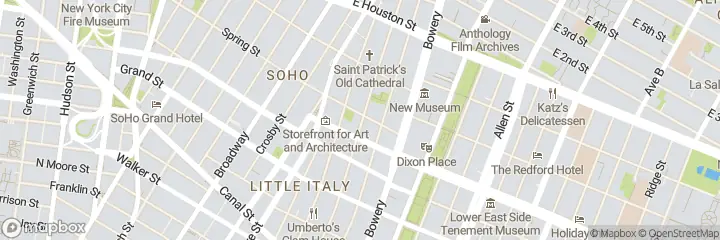
Downtown Manhattan, allgemein als Lower Manhattan bekannt, wird im Norden von der 14th Street, im Westen vom Hudson River, im Osten vom East River und im Süden vom New York Harbor begrenzt. Wichtige Verkehrsadern wie Chambers Street, Canal Street und Broadway definieren seine internen Grenzen, die Stadtteile wie das Financial District, Tribeca, Battery Park City und den South Street Seaport umfassen. Die Südspitze der Insel wird von Battery Park und dem Bowling Green geprägt, während die nördlichen Ränder in Gebiete wie SoHo und das East Village nahe der 14th Street übergehen.
Unternehmen, Geschäfte und Restaurants
Downtown Manhattan dient als globales Finanzzentrum und beherbergt Wall-Street-Institutionen wie die New Yorker Börse und NASDAQ. Einzelhändler reichen von Luxus-Boutiquen im Westfield World Trade Center Oculus bis hin zu eklektischen Geschäften in Tribeca. Zu den bemerkenswerten Restaurants gehören Locanda Verde für italienische Küche, Le Coucou für französische Speisen und Nobu Downtown für zeitgenössische japanische Gerichte. Die Gegend bietet auch Fast-Casual-Restaurants und historische Pubs wie Fraunces Tavern, das 1762 gegründet wurde.
Geschichte der Hauptattraktionen
Das Financial District findet seine Wurzeln in den niederländischen Kolonialsiedlungen im 17. Jahrhundert, wobei die Wall Street nach der Holzbarriere benannt wurde, die gebaut wurde, um Neu-Amsterdam zu schützen. Das World Trade Center, das nach den Anschlägen vom 11. September wieder aufgebaut wurde, verfügt heute über den Wolkenkratzer One World Trade Center und das 9/11 Memorial & Museum. Weitere historische Stätten sind die Trinity Church (1846), das Castle Clinton im Battery Park und die Federal Hall, wo George Washington vereidigt wurde.
Architektonische Landschaft
Downtown Manhattan zeigt eine Mischung aus historischer und moderner Architektur. Vorkriegsgebäude wie das Woolworth Building (1913) kontrastieren mit Glas-und-Stahl-Türmen wie Brookfield Place und dem Hauptsitz von Goldman Sachs. Die Gegend umfasst adaptive Wiederverwendungsprojekte, darunter umgebaute Lofts in Tribeca, und denkmalgeschützte Bauwerke wie das im Art Deco-Stil gehaltene 70 Pine Street.
Transportmöglichkeiten
Das Viertel wird von mehreren U-Bahn-Linien (1, 2, 3, 4, 5, 6, A, C, E, R, W) und PATH-Zügen, die nach New Jersey führen, bedient. Fähren verkehren vom Battery Park nach Staten Island und zur Governors Island, während Pendlerzentren wie Fulton Center und das World Trade Center Oculus Zugang zu regionalen Bahnnetzen bieten. Fahrradwege und Citi-Bike-Stationen sind weit verbreitet, und zu den Hauptverkehrsstraßen gehört der FDR Drive entlang des East River.
Angrenzende Postleitzahlen
Haupt-Postleitzahlen umfassen 10004 (Battery Park), 10005 (Financial District), 10006 (World Trade Center), 10007 (Tribeca) und 10038 (South Street Seaport). Nahegelegene Gebiete nutzen 10002 (Chinatown), 10013 (SoHo) und 10014 (West Village).
Prominente Unternehmen
Globale Finanzunternehmen dominieren das Gebiet, darunter JPMorgan Chase, Goldman Sachs und Morgan Stanley. Technologieunternehmen wie Spotify und Condé Nast haben Büros im World Trade Center Komplex. Mediengiganten wie Dow Jones und Anwaltskanzleien wie Sullivan & Cromwell haben hier ebenfalls ihren Hauptsitz, neben Fintech-Startups und Risikokapitalfirmen.


