 Direct
 Sublease
 coworking
Por qué Optimal Spaces –
|
|
|
Por qué contratar un Agente del Inquilino: Su defensor en el sector inmobiliario comercial
1. La distinción clave: ¿de qué lado están?
  2. Casi siempre no le cuesta nada
3. Acceso al inventario “oculto”
4. Negociar más allá del alquiler base
   5. Ahorro de tiempo y gestión del proceso
6. Mitigar riesgos (las “trampas”)
  |
Downtown
Límites Geográficos
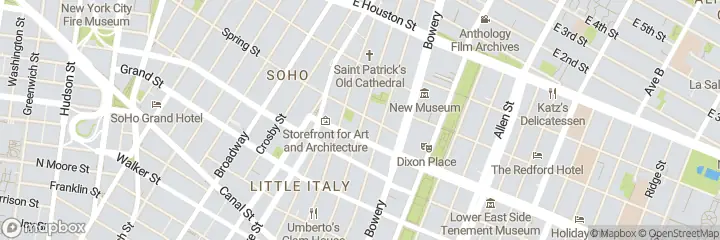
El centro de Manhattan, comúnmente conocido como el Bajo Manhattan, está delimitado por la calle 14 al norte, el río Hudson al oeste, el río Este al este y el puerto de Nueva York al sur. Vías importantes como Chambers Street, Canal Street y Broadway definen sus límites internos, que incluyen vecindarios como el Distrito Financiero, Tribeca, Battery Park City y el South Street Seaport. La punta sur de la isla está anclada por Battery Park y Bowling Green, mientras que los bordes norte se mezclan con áreas como SoHo y el East Village cerca de la calle 14.
Negocios, Tiendas y Restaurantes
El centro de Manhattan sirve como un centro financiero global, albergando instituciones de Wall Street como la Bolsa de Nueva York y NASDAQ. Los minoristas van desde boutiques de lujo en el Westfield World Trade Center Oculus hasta tiendas eclécticas en Tribeca. Restaurantes notables incluyen Locanda Verde con comida italiana, Le Coucou con cocina francesa, y Nobu Downtown con platos japoneses contemporáneos. El área también cuenta con restaurantes de comida rápida y pubs históricos como Fraunces Tavern, establecido en 1762.
Historia de las Principales Atracciones
El Distrito Financiero remonta sus raíces a los asentamientos coloniales holandeses del siglo XVII, con Wall Street nombrada por la barrera de madera construida para proteger Nueva Ámsterdam. El World Trade Center, reconstruido después de los atentados del 11 de septiembre, ahora cuenta con el rascacielos One World Trade Center y el Museo y Memorial del 11-S. Otros sitios históricos incluyen la Iglesia de la Trinidad (1846), el Castillo Clinton en Battery Park, y Federal Hall, donde George Washington fue investido.
Paisaje Arquitectónico
El centro de Manhattan exhibe una mezcla de arquitectura histórica y moderna. Edificios anteriores a la guerra como el Edificio Woolworth (1913) contrastan con torres de vidrio y acero como Brookfield Place y la sede de Goldman Sachs. El área incluye proyectos de reutilización adaptativa, incluidos lofts convertidos en Tribeca y estructuras catalogadas como el edificio de estilo Art Deco 70 Pine Street.
Opciones de Transporte
El vecindario está servido por múltiples líneas de metro (1, 2, 3, 4, 5, 6, A, C, E, R, W) y trenes PATH que conectan con Nueva Jersey. Los transbordadores operan desde Battery Park hacia Staten Island y Governors Island, mientras que centros de transporte como Fulton Center y el Oculus del World Trade Center proporcionan acceso a redes de trenes regionales. Los carriles para bicicletas y estaciones de Citi Bike son comunes, y las principales autopistas incluyen la FDR Drive a lo largo del río Este.
Códigos Postales Adyacentes
Los códigos postales principales incluyen 10004 (Battery Park), 10005 (Distrito Financiero), 10006 (World Trade Center), 10007 (Tribeca) y 10038 (South Street Seaport). Las áreas cercanas usan 10002 (Chinatown), 10013 (SoHo), y 10014 (West Village).
Empresas Prominentes
Las empresas financieras globales dominan el área, incluidas JPMorgan Chase, Goldman Sachs y Morgan Stanley. Compañías tecnológicas como Spotify y Condé Nast ocupan oficinas en el complejo del World Trade Center. Gigantes de medios como Dow Jones y firmas legales como Sullivan & Cromwell también tienen su sede aquí, junto a startups de tecnología financiera y firmas de capital de riesgo.


