 Direct
 Sublease
 coworking
Perché Optimal Spaces –
|
|
|
Perché rivolgersi a un Broker per Inquilini: Il tuo alleato nel settore immobiliare commerciale
1. La distinzione fondamentale: da che parte stanno?
  2. Quasi sempre non ti costa nulla
3. Accesso agli immobili “nascosti”
4. Negoziare oltre il canone base
   5. Risparmio di tempo e gestione del processo
6. Ridurre i rischi (le “insidie”)
  |
Midtown South
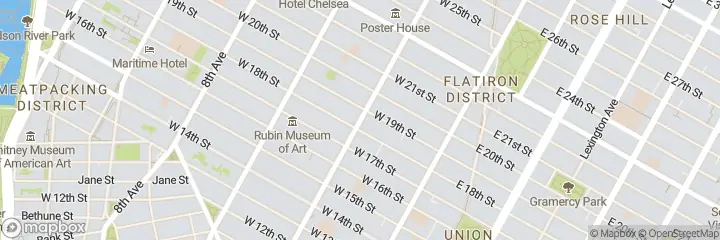
Confini Geografici
I confini di Midtown South variano a seconda delle definizioni. Il Distretto della Polizia di Midtown South del NYPD si estende dalla 29ª Strada alla 45ª Strada tra la Nona Avenue e la Lexington Avenue. Nel settore immobiliare commerciale, spesso si riferisce al mercato secondario degli uffici tra la 34ª/30ª Strada e Canal/Chambers Street. Le definizioni comuni dei media la collocano tra la 42ª Strada (a nord) e la 23ª Strada (a sud), con variazioni nei confini est-ovest: The Wall Street Journal utilizza la Nona Avenue fino alla Lexington Avenue, mentre The New York Times cita la Sixth Avenue fino alla Park Avenue. CityNeighborhoods.NYC la descrive come l'area di transizione tra Midtown e il Flatiron District.
Panorama Aziendale e al Dettaglio
Midtown South funge da centro per startup tecnologiche, agenzie creative e società finanziarie boutique. L'area presenta una combinazione di negozi di punta lungo la Fifth Avenue e Broadway, specializzati in beni di lusso e moda. Hudson Yards aggiunge complessi commerciali moderni, mentre Chelsea mantiene gallerie d'arte e showroom di design. Gli stabilimenti di ristorazione spaziano dai ristoranti stellati Michelin vicino a Madison Square Park ai ristoranti trendy lungo il percorso della High Line.
Attrazioni Storiche
L'iconico Flatiron Building (1902), uno dei primi grattacieli di NYC, ancora il bordo meridionale. Madison Square Park, istituito nel 1847, rimane un punto di riferimento culturale che ospita installazioni artistiche stagionali. La High Line, riproposta da una linea ferroviaria merci degli anni '30 in un parco sopraelevato, attrae milioni di visitatori ogni anno. L'Empire State Building (1931), sebbene tecnicamente a Midtown, influenza la periferia settentrionale del distretto con la sua architettura Art Deco.
Diversità Architettonica
I tipi di edifici spaziano dai loft industriali convertiti a Chelsea alle torri rivestite di vetro a Hudson Yards. Il quartiere conserva strutture Beaux-Arts dei primi del '900 accanto ad aggiunte postmoderne come gli spazi di riutilizzo adattivo del Museum of Sex. Gli edifici commerciali di media altezza dominano i corridoi centrali, mentre le conversioni residenziali aumentano verso sud verso il Flatiron District.
Infrastrutture di Trasporto
L'accesso alla metropolitana include le linee 1/2/3 (Seventh Avenue), N/Q/R/W (Broadway) e F/M (Sixth Avenue). Penn Station (34ª Strada) offre servizi Amtrak/NJ Transit, mentre il Port Authority Bus Terminal serve le rotte transregionali. Le stazioni Citi Bike, i marciapiedi pedonali e la vicinanza ai principali corridoi per taxi migliorano la mobilità.
Distribuzione dei Codici Postali
I codici postali principali includono 10001 (Chelsea), 10011 (adiacente Flatiron) e 10018 (Hudson Yards). I codici periferici includono 10016 (Murray Hill) e 10010 (area di Gramercy Park). Il corridoio commerciale condivide confini con 10036 (Midtown settentrionale) e 10003 (prossimità dell'East Village).
Presenza Aziendale
Aziende tecnologiche come Google hanno uffici vicino al Chelsea Market, mentre i conglomerati dei media occupano magazzini ristrutturati. Le startup di tecnologia finanziaria si concentrano vicino a Madison Square Park, sfruttando la vicinanza alle istituzioni bancarie tradizionali a Midtown. L'area attrae professionisti creativi tramite spazi di co-working e imprese focalizzate sul design.


