 Direct
 Sublease
 coworking
Warum Optimal Spaces –
|
|
|
Warum ein Mietervertreter: Ihr Fürsprecher bei Gewerbeimmobilien
1. Der entscheidende Unterschied: Auf wessen Seite stehen sie?
  2. Fast immer kostenlos für Sie
3. Zugang zu „verborgenen“ Flächen
4. Verhandeln über die Grundmiete hinaus
   5. Zeitersparnis & Prozesssteuerung
6. Risiken senken (die „Fallstricke“)
  |
Midtown South
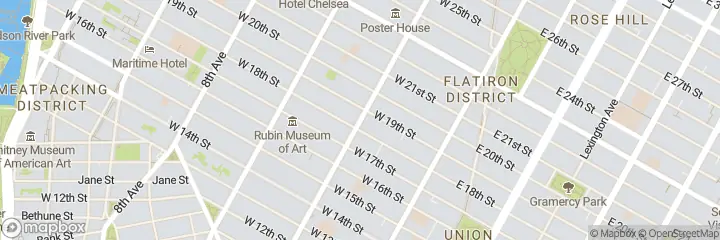
Geographische Grenzen
Die Grenzen von Midtown South variieren je nach Definition. Das Midtown South Revier des NYPD erstreckt sich von der 29th Street bis zur 45th Street zwischen der Ninth und Lexington Avenue. In der kommerziellen Immobilienbranche bezieht es sich oft auf den Büroteilmarkt zwischen der 34th/30th Street und der Canal/Chambers Street. Allgemeine Medien Definitionen platzieren es zwischen der 42nd Street (Norden) und der 23rd Street (Süden), mit Variationen in den Ost-West-Grenzen: The Wall Street Journal nutzt Ninth bis Lexington Avenues, während The New York Times Sixth Avenue bis Park Avenue angibt. CityNeighborhoods.NYC beschreibt es als das Übergangsgebiet zwischen Midtown und dem Flatiron District.
Geschäfts- und Einzelhandelslandschaft
Midtown South dient als Knotenpunkt für Technologie-Startups, kreative Agenturen und Boutiquen-Finanzfirmen. Das Gebiet bietet eine Mischung aus Flagship-Stores entlang der Fifth Avenue und Broadway, die sich auf Luxuswaren und Mode spezialisieren. Hudson Yards fügt moderne Einzelhandelskomplexe hinzu, während Chelsea Kunstgalerien und Design-Showrooms aufrechterhält. Feine Restaurants reichen von Michelin-Sterne-Restaurants in der Nähe des Madison Square Parks bis zu trendigen Imbisslokalen entlang der High Line.
Historische Attraktionen
Das ikonische Flatiron Building (1902), eines der frühesten Wolkenkratzer in NYC, liegt am südlichen Rand. Madison Square Park, gegründet 1847, bleibt ein kulturelles Wahrzeichen, das saisonale Kunstausstellungen beherbergt. Die High Line, aus einer Gütereisenbahnlinie aus den 1930er Jahren in einen erhöhten Park umgewandelt, zieht jährlich Millionen an. Das Empire State Building (1931), obwohl technisch gesehen in Midtown, beeinflusst die nördliche Peripherie des Bezirks mit seiner Art-Déco-Architektur.
Architektonische Vielfalt
Die Gebäudetypen reichen von umgebauten Industrie-Lofts in Chelsea bis zu gläsernen Türmen in Hudson Yards. Das Viertel bewahrt Bauten im Beaux-Arts-Stil aus dem frühen 20. Jahrhundert neben postmodernen Ergänzungen wie den adaptiven Wiederverwendungsräumen des Museum of Sex. Mittelgroße Bürogebäude dominieren die zentralen Korridore, während die Zahl der Wohnkonversionen in Richtung des Flatiron Districts zunimmt.
Verkehrsinfrastruktur
Der Zugang zur U-Bahn umfasst die Linien 1/2/3 (Seventh Avenue), N/Q/R/W (Broadway) und F/M (Sixth Avenue). Der Penn Station (34th Street) bietet Amtrak/NJ Transit-Dienste, während das Port Authority Bus Terminal überregionale Routen bedient. Citi Bike-Stationen, fußgängerfreundliche Gehwege und die Nähe zu großen Taxikorridoren verbessern die Mobilität.
Postleitzahlenverteilung
Kern-Postleitzahlen umfassen 10001 (Chelsea), 10011 (Flatiron angrenzend) und 10018 (Hudson Yards). Periphere Codes beinhalten 10016 (Murray Hill) und 10010 (Gramercy Park Bereich). Der kommerzielle Korridor teilt Grenzen mit 10036 (nördliches Midtown) und 10003 (Nähe East Village).
Unternehmenspräsenz
Technologieunternehmen wie Google unterhalten Büros in der Nähe des Chelsea Markets, während Medienkonglomerate renovierte Lagerhäuser besetzen. Fintech-Startups gruppieren sich in der Nähe des Madison Square Parks und nutzen die Nähe zu traditionellen Bankinstituten in Midtown. Das Gebiet zieht kreative Fachleute durch Co-Working-Spaces und designorientierte Unternehmen an.


